Your kid is playing, and you call them for dinner. But in the world of play and imagination, all they might hear is “blah, blah, dinner, blah.”
Sometimes your child doesn’t listen on purpose, but more often their mind is simply somewhere else. In this article, I’ll share four simple, science-based tips that can help you reach your child and actually get them to listen.
Tip 1: Go to Your Kid’s Level
“Dinner is ready!” If you’re calling instructions from another room, you might as well be background noise—something like the dishwasher humming in the corner. So how do you actually get through?
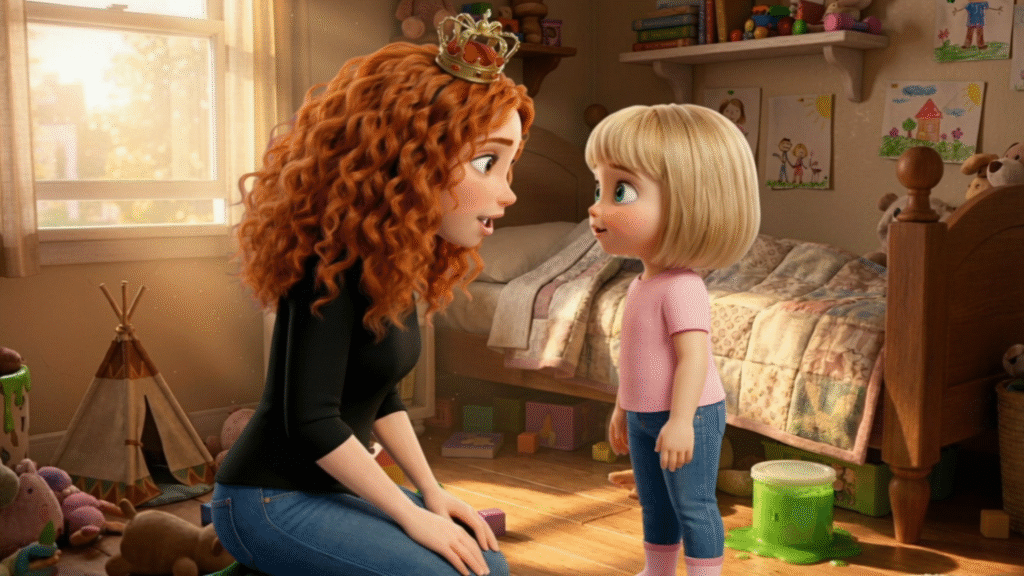
When you want your child’s attention, go to them. Walk over, get down to their eye level, and make eye contact. Suddenly, your instruction has a face attached to it, which makes all the difference.
Tip 2: Connection First
Once you’re close, try stepping into your child’s world for just a moment. You don’t need to stay long—just a brief visit. Say something like, “Wow, that’s a nice little house you’re building,” or “What is that bunny doing there?” When your child responds, you’ve got their attention. That’s the perfect moment to give your instruction. You can transition naturally: “Is the doll hungry? I think you might be hungry too—it’s dinner time.”
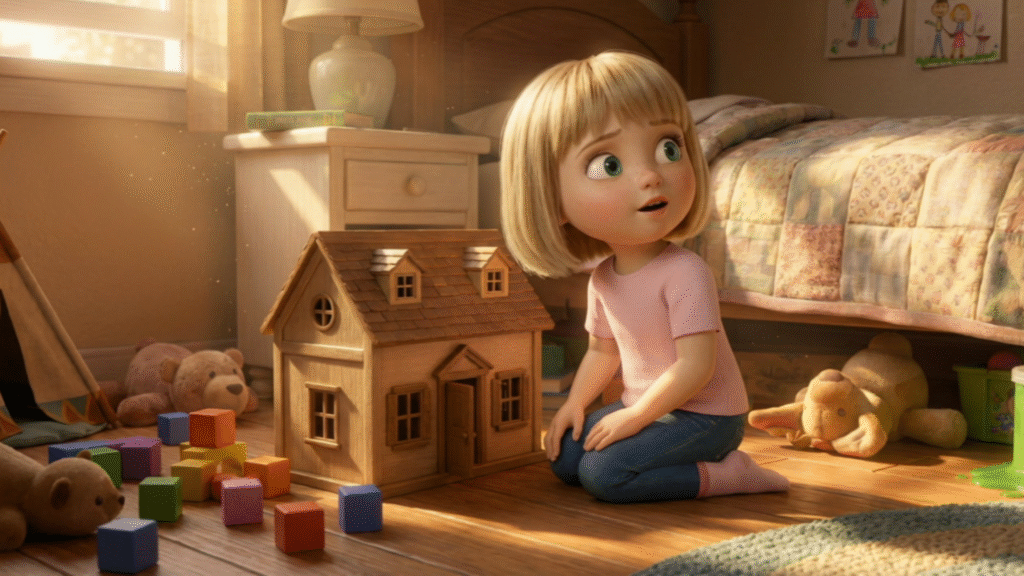
Listening often starts before the words even come. That’s why connection needs to come first.
Tip 3: Wait for the Calm
Imagine this: You’ve had a long day, you’re tired, hungry, and annoyed. How much advice do you want to hear right now? Probably none. And it’s not because you’re being difficult—it’s because your brain simply can’t take in anything more.
The same is true for kids. When your child is very upset, their brain isn’t ready to process instructions. If they’re angry or extremely tired, even the best guidance won’t get through.
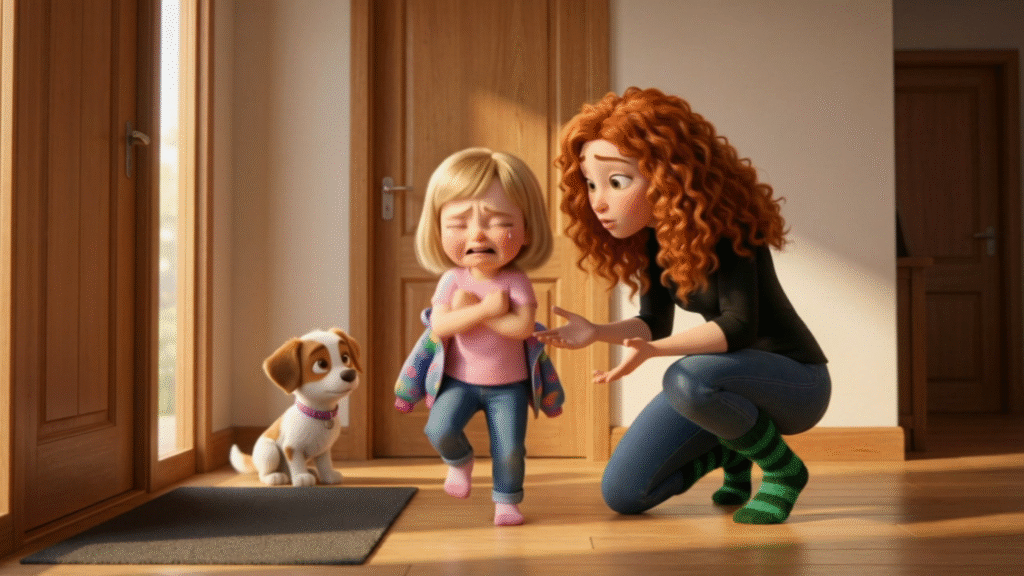
First, your child needs to calm down—and sometimes you need that too. I know I do. Maybe offer a hug if your child likes that, or talk about what upset them. Sometimes I just let them read comics for a while.
Once your child feels calmer, they can actually listen again.
Tip 4: Play Is Energy
This tip might feel silly, but hear me out. Imagine it’s cleaning time, and instead of announcing it plainly, you approach your child saying, “Here comes the vacuum monster!” It looks like silly play, but it’s really about energy.
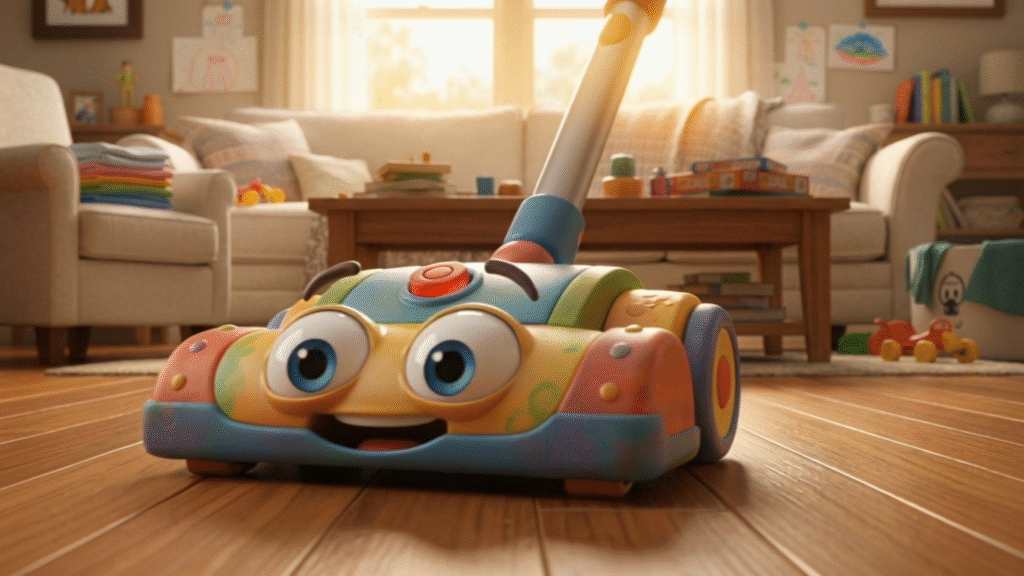
When you say, “Clean up your toys now,” it can feel heavy. Everyone has to push through—your child uses energy, you use energy. Play does the opposite: it actually gives energy.
So instead of giving your child tasks, try giving them a game. You don’t need to be especially funny or creative. Just pause and ask yourself: Can I say this in a playful way? More often than not, the answer is yes.
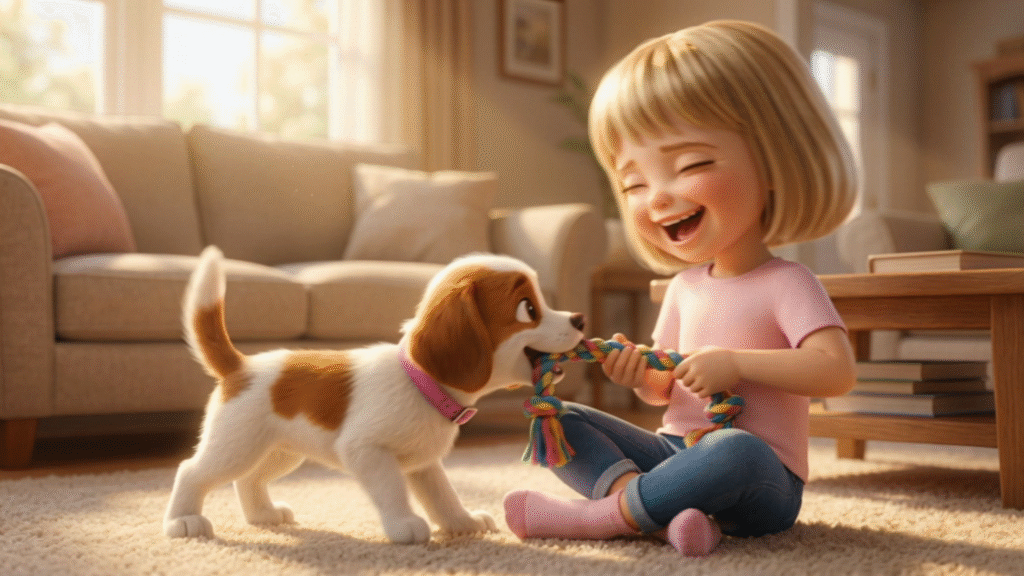
These are four simple tools you can try in daily life, and I hope they make listening a little easier in your home.
Goodbye and God bless.